What Is Body Contouring?
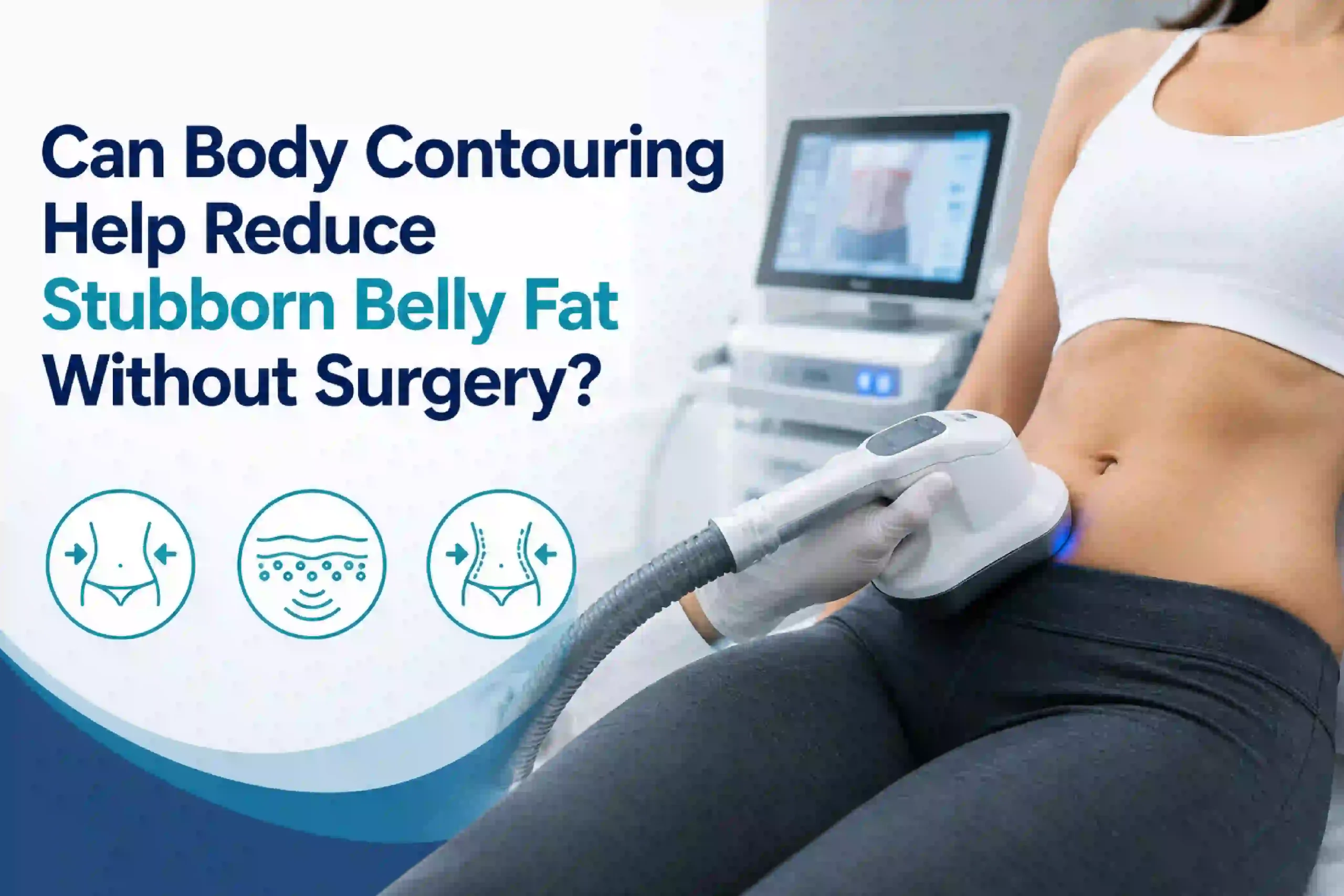
Body contouring refers to a range of non-surgical treatments designed to reduce localized fat deposits and, in some cases, improve skin firmness in specific areas of the body. Unlike weight loss methods that reduce fat throughout the body, these treatments target specific areas, like the abdomen, using technologies that work below the skin’s surface without surgical incisions.
Why Belly Fat Can Be Particularly Stubborn
Belly fat often includes a combination of subcutaneous fat, just beneath the skin, and in some cases, visceral fat surrounding internal organs. Subcutaneous fat in this area can be particularly resistant to diet and exercise for some individuals due to genetic factors, hormonal influences, and age-related changes in fat distribution, which is part of why many people turn to targeted treatments after limited results from lifestyle changes alone.
Who Is an Ideal Candidate for Body Contouring?
Non-surgical body contouring is generally best suited for individuals who are close to their target weight but have specific, stubborn fat pockets that haven’t responded to diet and exercise. It is not typically designed as a significant weight loss solution or a substitute for a healthy lifestyle. Candidacy also depends on factors like skin elasticity and overall health, which is why an in-person assessment is an important step before beginning treatment.
Treatment Options for Belly Fat Reduction
Lifestyle Foundations
Before or alongside any clinic-based treatment, a balanced diet and regular physical activity remain foundational for overall body composition and long-term results.
Cryolipolysis (Fat Freezing)
This technique uses controlled cooling to target and reduce fat cells in a specific area, with results typically appearing gradually over several weeks as the body naturally processes the treated fat cells.
Radiofrequency-Based Treatments
These treatments use energy to heat targeted fat cells and, in some cases, support skin tightening in the treated area, often used for both fat reduction and skin firmness concerns.
Ultrasound-Based Fat Reduction
This approach uses focused ultrasound energy to disrupt fat cell structure in targeted areas, offering another non-invasive option for localized fat reduction.
Maintenance Strategies
Sustaining results after any body contouring treatment generally involves maintaining a stable weight through continued healthy lifestyle habits, since new fat gain can still occur in treated or untreated areas.
Body Contouring vs Weight Loss Surgery
Factor | Non-Surgical Body Contouring | Weight Loss Surgery |
Invasiveness | Non-invasive, no incisions | Surgical procedure |
Best suited for | Localized, stubborn fat pockets | Significant overall weight loss |
Downtime | Minimal to none | Requires recovery period |
Results timeline | Gradual, over several weeks | More immediate, though recovery-dependent |
Candidacy | Near target weight with specific problem areas | Often for individuals with significant excess weight |
This comparison is general in nature, individual suitability for either approach depends on a proper clinical evaluation.
Realistic Benefits and Expectations
Non-surgical body contouring can help reduce the appearance of stubborn, localized fat in treated areas for many individuals, though results vary based on the specific treatment, area treated, and individual body response. These treatments are not designed to replace significant weight loss efforts and generally work best as part of an overall healthy lifestyle rather than a standalone solution. Setting realistic expectations during consultation helps ensure treatment aligns with what’s genuinely achievable for your specific goals.
What to Expect During Treatment
Most non-surgical body contouring sessions involve applying the treatment device to the targeted area for a set period, and many patients describe sensations ranging from mild cooling or warming to a pulling sensation, depending on the technology used. Sessions are generally well-tolerated without the need for anesthesia, and most patients can resume normal activities immediately afterward.
Recovery & Aftercare
One of the appeals of non-surgical body contouring is minimal to no downtime, allowing most patients to return to daily activities right after treatment. Some mild redness, swelling, or temporary numbness in the treated area is common and generally resolves within a short period. Your specialist will provide guidance specific to the treatment technology used, along with recommendations for maintaining results through diet and activity.
Lifestyle Tips to Support Your Results
– Maintain a balanced, consistent diet to support long-term fat management in treated and untreated areas
– Incorporate regular physical activity, which supports overall body composition
– Stay adequately hydrated, which some practitioners suggest may support the body’s natural fat-processing response after certain treatments
– Manage stress and prioritize sleep, both of which can influence fat distribution and metabolism over time
– Set realistic, gradual goals rather than expecting immediate transformation
Frequently Asked Questions
When Should You Consult a Specialist?
Consider scheduling a consultation if you have specific, stubborn fat areas that haven’t responded to diet and exercise, or if you’re exploring non-surgical alternatives to more invasive procedures. A professional assessment helps determine whether body contouring is genuinely suited to your goals and body composition, or whether other approaches might be more appropriate.
Why Choose Shape Wellness?
At Shape Wellness, our clinical team takes an individualized approach to body contouring, beginning with a thorough assessment of your goals, target areas, and overall health before recommending a treatment plan. We prioritize honest conversations about what non-surgical treatments can realistically achieve, rather than overstating results. Our approach combines evidence-informed treatment options with practical lifestyle guidance to support long-term outcomes.
Conclusion
Non-surgical body contouring can be an effective option for reducing stubborn, localized belly fat for the right candidates, though it works best as part of a broader healthy lifestyle rather than a standalone solution. Understanding how these treatments work and what they can realistically achieve helps set the stage for an informed consultation. If you’re curious whether body contouring might be right for your goals, we encourage you to schedule an assessment with our team at Shape Wellness.
This article is intended for general informational purposes and does not replace professional medical advice. Please consult a qualified wellness or medical specialist to discuss your individual goals and candidacy.