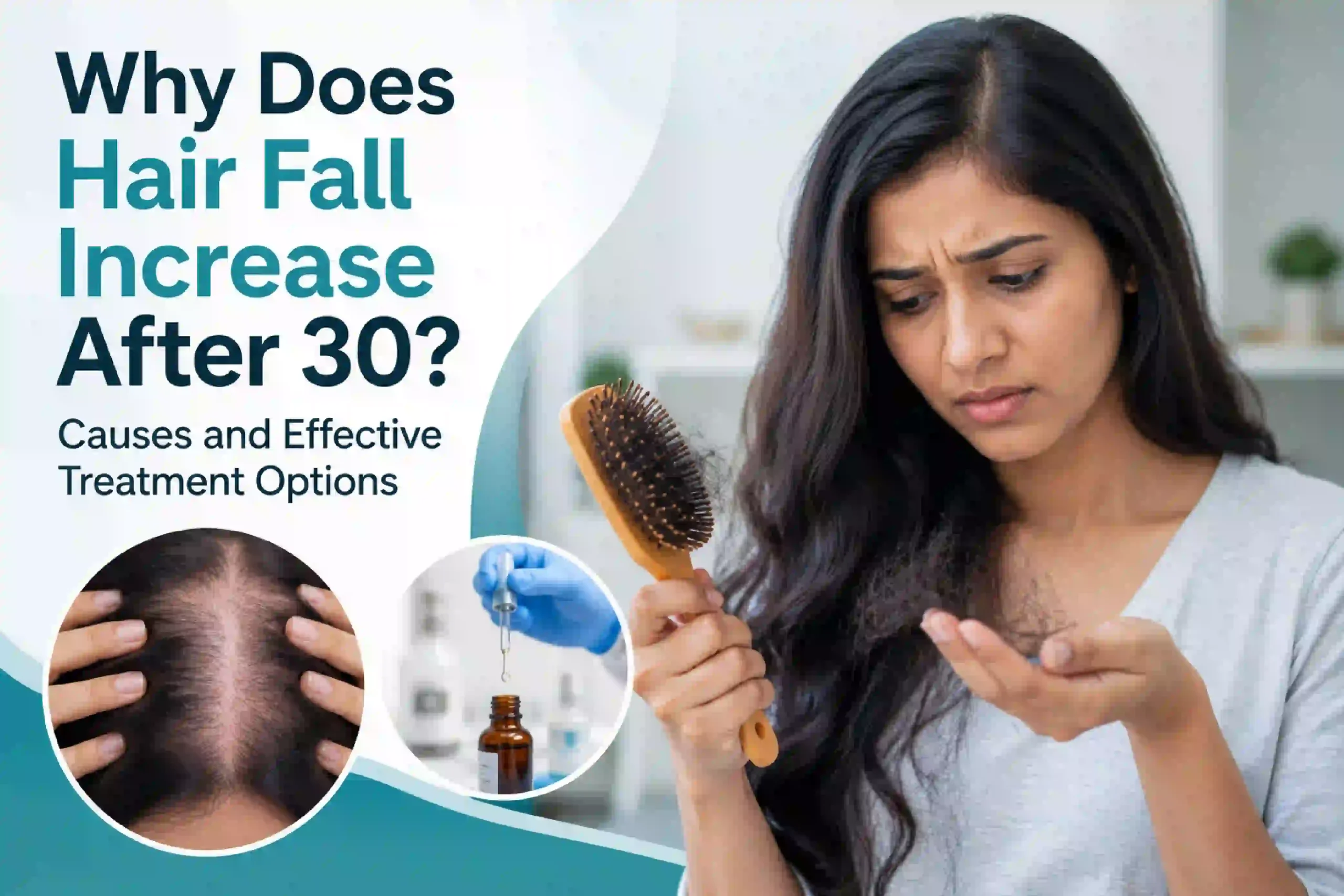
Is It Normal to Lose More Hair After 30?
Some degree of hair shedding is a normal part of the hair growth cycle, but many people do notice a genuine increase in hair fall as they move through their thirties. This can result from a combination of factors that begin to compound with age, including hormonal changes, cumulative stress, and, for some, the gradual onset of pattern hair loss that may have started earlier but becomes more visible over time.
Common Causes of Hair Fall After 30
Hormonal shifts — Changes in hormone levels, including androgens in men and shifts related to reproductive hormones in women, can influence hair follicle activity
Androgenetic alopecia (pattern hair loss) — A genetically influenced condition that often becomes more noticeable in the thirties, affecting both men and women
Increased stress levels — Career and life demands common in this decade can contribute to a type of shedding called telogen effluvium
Nutritional deficiencies — Gaps in iron, protein, vitamin D, or other key nutrients can affect hair growth and density
Postpartum changes — For women who have recently given birth, hormonal shifts after pregnancy commonly cause noticeable shedding
Thyroid or other underlying health conditions — Certain medical conditions can contribute to hair thinning and may require evaluation
Scalp health issues — Conditions affecting the scalp can impact follicle health and hair growth over time
Signs Your Hair Fall May Need Attention
– Noticeably more hair on your pillow, brush, or in the shower drain than before
– Visible thinning at the crown, temples, or part line
– A receding hairline (more common in men)
– Reduced hair volume or density that’s noticeable to you or others
– Excessive shedding that continues for several months without improvement
Who Should Consider a Hair Assessment?
Anyone noticing a persistent increase in hair fall, thinning, or changes in hair density that concern them may benefit from a professional scalp and hair assessment. This is particularly relevant if shedding has continued for an extended period, if you notice a family history of pattern hair loss, or if you’re unsure whether your hair fall reflects a temporary phase or a more persistent pattern requiring targeted intervention.
Treatment Options for Hair Fall After 30
Lifestyle and Nutritional Adjustments
Addressing underlying nutritional gaps, managing stress, and supporting overall health through balanced nutrition often form a foundational part of any hair fall treatment plan.
Topical Treatments
Certain topical formulations may help support hair density and slow progression of thinning, particularly when used consistently as part of a broader treatment approach.
PRP Therapy (Platelet-Rich Plasma)
This treatment involves using components from your own blood to stimulate hair follicle activity, often considered for individuals experiencing early to moderate thinning, with results typically developing gradually over multiple sessions.
Scalp Treatments
Certain in-clinic scalp treatments aim to support a healthier follicle environment, sometimes used alongside other approaches for a more comprehensive treatment plan.
Addressing Underlying Health Factors
When hair fall is linked to conditions like thyroid imbalances or significant nutritional deficiencies, addressing these underlying factors, often in coordination with your physician, is an important part of a comprehensive approach.
Hair Fall Treatment for Men vs Women After 30
Factor | Men After 30 | Women After 30 |
Common pattern | Receding hairline, crown thinning (androgenetic alopecia) | Diffuse thinning, often more noticeable at the part line |
Common triggers | Genetics, hormonal factors | Hormonal shifts, postpartum changes, stress, nutritional factors |
Typical approach | May include topical treatments, PRP therapy | May include nutritional support, PRP therapy, addressing hormonal or thyroid factors |
Treatment recommendations differ based on the underlying cause identified during assessment, rather than gender alone.
Benefits of Early Intervention
Addressing hair fall earlier, rather than waiting until thinning becomes significant, generally allows for a broader range of treatment options and may support better outcomes in preserving existing hair density. Early assessment also helps identify whether an underlying health factor, such as a thyroid issue or nutritional deficiency, needs separate medical attention.
What to Expect During Treatment
Treatment plans are typically built around your specific assessment findings rather than a standardized protocol. For clinic-based treatments like PRP therapy, sessions generally involve a straightforward, well-tolerated procedure, with most patients resuming normal activities the same day. Results from treatments targeting hair density tend to develop gradually over several sessions rather than appearing immediately.
Recovery & Aftercare
Most hair fall treatments, including PRP therapy and topical approaches, involve minimal to no downtime. Some mild scalp sensitivity may occur after certain in-clinic procedures, generally resolving quickly. Your specialist will provide guidance on maintaining results, including any recommended follow-up sessions or complementary lifestyle adjustments.
Lifestyle Tips for Healthier Hair
– Maintain a balanced diet with adequate protein, iron, and key vitamins that support hair health
– Manage stress through consistent sleep, exercise, or relaxation practices, since chronic stress is a recognized contributor to shedding
– Avoid excessive heat styling or tight hairstyles that place tension on the scalp
– Be gentle when washing and brushing hair, particularly if you’re already experiencing increased shedding
– Address any underlying health conditions, such as thyroid imbalances, with appropriate medical care
Frequently Asked Questions
When Should You Consult a Specialist?
Consider scheduling a hair and scalp assessment if you’ve noticed persistent increased shedding, visible thinning, or changes in hair density that have continued for several months, or if you have a family history of pattern hair loss and want to understand your options early. A professional assessment helps clarify whether your hair fall reflects a temporary phase or a pattern that would benefit from targeted treatment.
Why Choose Shape Wellness?
At Shape Wellness, our clinical team takes a thorough approach to hair fall assessment, considering hormonal, nutritional, and lifestyle factors before recommending a treatment plan tailored to your specific cause of thinning. We offer a range of treatment options, including PRP therapy, and prioritize honest, realistic guidance about what each approach can achieve based on your individual hair and scalp condition.
Conclusion
Hair fall after 30 is a common concern with several possible underlying causes, from hormonal shifts and stress to nutritional gaps and early pattern hair loss. Understanding what’s driving your specific hair fall is the first step toward an effective treatment plan. If you’re noticing increased shedding or thinning, we encourage you to schedule a hair and scalp assessment with our team at Shape Wellness to understand your options.
This article is intended for general informational purposes and does not replace professional medical advice. Please consult a qualified hair specialist or physician to discuss your individual condition and treatment options.