What Is PCOS?
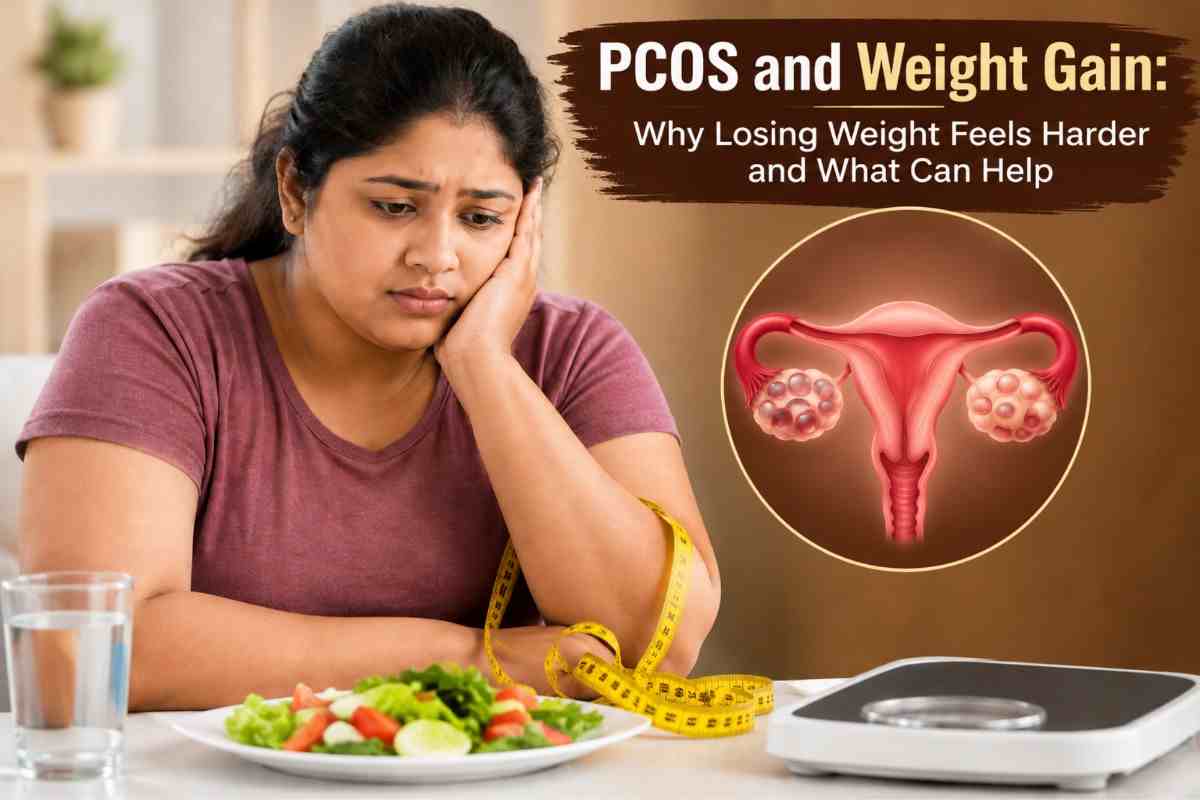
Polycystic Ovary Syndrome, or PCOS, is one of the most common hormonal conditions affecting women of reproductive age. It’s characterized by a combination of irregular periods, elevated androgen (male hormone) levels, and often small cysts on the ovaries — though not everyone with PCOS has all three features.
What makes PCOS particularly relevant to weight is its strong link to insulin resistance. In many people with PCOS, the body doesn’t respond to insulin as efficiently as it should, which means the pancreas produces more of it to compensate. Higher insulin levels encourage the body to store fat, particularly around the abdomen, and can also increase hunger and cravings — which is part of why PCOS weight gain can feel so relentless and difficult to reverse through diet alone.
Why PCOS Makes Weight Loss Harder
This is the question we hear most often, and it deserves a clear answer, because it isn’t about effort.
- Insulin resistance — as mentioned above, this is often the central driver. It changes how efficiently your body uses energy and encourages fat storage, especially visceral (belly) fat.
- Hormonal imbalance — elevated androgens and disrupted estrogen-progesterone balance can affect metabolism, appetite regulation, and where fat is distributed.
- Chronic low-grade inflammation — increasingly recognized as a feature of PCOS, this can further interfere with metabolic efficiency.
- Slower metabolic rate — some research suggests people with PCOS may burn fewer calories at rest compared to those without the condition, though this varies by individual.
- Increased cravings and appetite — insulin resistance and hormonal shifts can drive stronger cravings for high-sugar, high-carbohydrate foods, making calorie control genuinely harder, not just a matter of discipline.
- Sleep disruption — PCOS is associated with higher rates of sleep apnea and poor sleep quality, both of which are linked to weight gain and blood sugar dysregulation.
Understanding these mechanisms matters because it reframes the goal: this isn’t about trying harder with the same approach — it’s about using an approach that accounts for the hormonal piece.
Common Signs and Symptoms of PCOS
PCOS can look different from person to person, but common signs include:
- Irregular, infrequent, or absent periods
- Difficulty losing weight despite consistent effort, particularly around the abdomen
- Excess hair growth on the face or body (hirsutism)
- Acne, especially along the jawline, or oily skin
- Thinning hair on the scalp
- Fatigue or low energy
- Difficulty conceiving
- Skin tags or darkened patches of skin, often around the neck or underarms (a sign linked to insulin resistance)
If several of these sound familiar, it’s worth discussing with a healthcare provider, since PCOS is typically diagnosed through a combination of symptom history, blood tests, and sometimes ultrasound — not through weight or appearance alone.
Who Should Consider a PCOS Weight Management Assessment?
A structured assessment may be worth considering if:
- You’ve been diagnosed with PCOS, or suspect you may have it based on symptoms, and are struggling with weight despite consistent lifestyle efforts.
- Standard diet and exercise approaches haven’t produced the results you’d expect, and you suspect something hormonal is at play.
- You’re experiencing belly fat that feels disproportionate to your overall weight or effort level.
- You want a plan that considers your hormonal profile rather than a generic calorie-based approach.
- You’re also managing related concerns like acne, hair thinning, or irregular cycles alongside weight changes.
As always, the right plan depends on individual factors — your hormone levels, metabolic health, and lifestyle — which is best evaluated through a proper consultation rather than self-diagnosis.
Treatment Options for PCOS Weight Gain
There’s no single treatment that resolves PCOS-related weight gain for everyone. Instead, effective management usually blends several approaches based on individual assessment.
- Medical and Hormonal Management For many people, addressing the underlying insulin resistance or hormonal imbalance — often through medication prescribed and monitored by a physician — is a foundational part of treatment. This is typically discussed and managed alongside, not instead of, lifestyle changes.
- Structured Nutrition Support Rather than generic calorie-cutting, PCOS-focused nutrition typically emphasizes blood sugar stability — balanced meals, mindful carbohydrate intake, and consistent eating patterns that reduce insulin spikes. A clinical nutritionist can help build an approach specific to your metabolic profile.
- Targeted Exercise Guidance Both strength training and cardiovascular activity can help improve insulin sensitivity, though the ideal balance varies by individual. Consistency tends to matter more than intensity.
- Non-Surgical Body Contouring For localized fat that hasn’t responded to lifestyle changes — a common frustration with PCOS-related belly fat — some clinics offer non-invasive body contouring or inch-loss treatments as a complementary option. These are generally considered a supplement to, not a replacement for, addressing the underlying hormonal picture.
- Sleep and Stress Management Because sleep disruption and chronic stress can worsen insulin resistance, addressing these factors is often an underrated but meaningful part of a comprehensive plan.
- Ongoing Monitoring and Adjustment PCOS management tends to work best as an evolving plan, with periodic reassessment of hormone levels, weight trends, and symptoms rather than a fixed one-time protocol.
The most effective path is usually a combination of these, tailored after a proper clinical evaluation — not a single “fix” borrowed from generic weight loss advice.
Comparing the Approaches
Medical/hormonal management — Addresses insulin resistance and hormonal imbalance directly. Requires physician oversight. Often foundational to other approaches working well.
Structured nutrition support — Improves blood sugar stability and reduces cravings. No downtime. Requires consistency over time.
Targeted exercise guidance — Improves insulin sensitivity and overall metabolic health. No downtime. Best as an ongoing habit, not a short-term fix.
Non-surgical body contouring — Addresses stubborn localized fat. Minimal to no downtime. Works best as a complement to lifestyle and medical management, not a standalone solution.
Sleep and stress management — Supports hormonal balance indirectly. No downtime. Often overlooked but impactful over time.
(This is a general guide. The right combination depends on individual hormone levels, health history, and goals, determined during a proper consultation.)
Benefits of a Structured PCOS Weight Management Plan
- A more sustainable approach than restrictive diets that don’t account for insulin resistance
- Better understanding of your own hormonal patterns and how they affect your body
- Reduced frustration from chasing generic weight loss advice that wasn’t designed for PCOS
- Support for related concerns like energy levels, skin, and cycle regularity, not just the number on the scale
- A realistic, monitored plan rather than guesswork
It’s important to be honest here too: PCOS management is often about steady, gradual progress rather than dramatic transformation, and results vary significantly based on individual hormone levels, adherence, and overall health. No provider can honestly promise a specific weight loss outcome.
What to Expect During a Weight Management Program
- Initial assessment — a review of your symptoms, medical history, and often relevant lab work to understand your hormonal and metabolic picture.
- Personalized plan development — combining nutrition guidance, exercise recommendations, and medical management as appropriate.
- Regular check-ins — tracking progress, adjusting the plan, and addressing any new symptoms or concerns.
- Complementary treatments, if relevant — such as body contouring for localized fat concerns, discussed as part of the broader plan rather than a stand-alone solution.
- Long-term maintenance — since PCOS is a chronic condition, ongoing management tends to work better than short-term intervention alone.
Lifestyle Tips That Actually Help with PCOS
- Prioritize protein and fiber at each meal to help slow blood sugar spikes.
- Choose lower-glycemic carbohydrates where possible, rather than eliminating carbs entirely.
- Build consistent movement into your week — both strength training and cardio have documented benefits for insulin sensitivity.
- Aim for consistent sleep timing, since irregular sleep can worsen hormonal imbalance.
- Manage stress where you can; chronic stress elevates cortisol, which can further disrupt insulin regulation.
- Track patterns, not just weight — energy levels, cycle regularity, and cravings can be just as useful indicators of progress.
- Be patient with the process. Hormonal shifts take time, and sustainable progress is usually gradual rather than immediate.
Frequently Asked Questions
When Should You Consult a Specialist?
It’s worth seeking a professional evaluation if:
- You suspect you may have PCOS based on symptoms like irregular periods, unexplained weight gain, or acne, but haven’t been formally evaluated.
- You’ve made consistent lifestyle efforts without meaningful results and want to understand what else might be contributing.
- You’re experiencing other PCOS-related symptoms — hair thinning, excess facial hair, skin changes — alongside weight concerns.
- You want a coordinated plan that addresses nutrition, exercise, and medical management together, rather than piecing together generic advice.
- You’ve been previously diagnosed but haven’t revisited your management plan in a while.
A proper evaluation is the only way to understand what’s actually driving your specific symptoms and to build a plan around it.
Why Choose Shape Wellness
Shape Wellness approaches PCOS-related weight concerns with a personalized, whole-person perspective rather than a generic weight loss protocol. The team considers the hormonal and metabolic factors specific to PCOS alongside practical lifestyle guidance, so the plan reflects what’s actually happening in your body rather than a one-size-fits-all calorie target.
Because PCOS often affects more than just weight — skin, hair, and energy levels are commonly connected — Shape Wellness’s broader focus on skin, hair, and body wellness allows for a more coordinated approach when these concerns overlap. For anyone who has felt dismissed or frustrated by generic weight loss advice that doesn’t account for PCOS, a personalized consultation can offer a clearer, more realistic path forward.
Conclusion
PCOS-related weight gain is real, it’s hormonal, and it’s not a reflection of effort or willpower. Understanding the role of insulin resistance and hormonal imbalance can be genuinely freeing — it shifts the conversation from “why can’t I stick to a diet” to “what approach actually works for my body.”
While there’s no universal fix, a structured, personalized plan that addresses both the hormonal and lifestyle sides of PCOS tends to offer the most meaningful, sustainable progress. If you’ve been struggling with PCOS weight gain despite your best efforts, consider scheduling a consultation with a qualified specialist to build a plan that’s actually designed for your body, not against it.